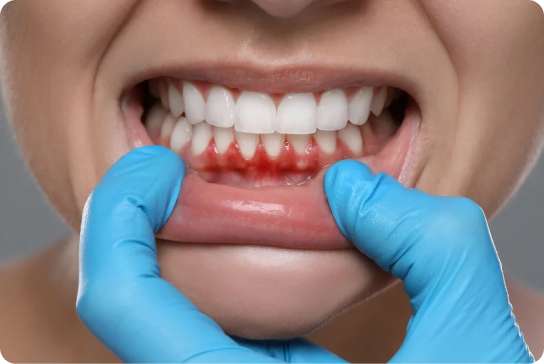
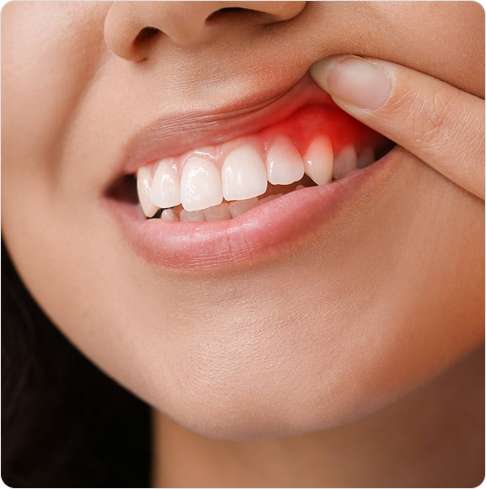
Gum recession is a common dental issue that often goes unnoticed because it can occur gradually and without pain. It happens when the gum tissue pulls back from the teeth, exposing more of the tooth or its root. Early signs include tooth sensitivity, visible tooth lengthening, and gum swelling or bleeding. If left untreated, gum recession can lead to more serious dental problems. At ToothHQ Dental Specialists, our team is dedicated to preventing, diagnosing, and treating gum recession to protect your oral health while restoring and rejuvenating your gums for a healthier, long-term smile
Gum recession is primarily caused by gum disease, or periodontal disease, which occurs when plaque and tartar accumulate along the gumline. These deposits harbor bacteria that can attack the gums, teeth, and supporting bone, leading to inflammation and tissue damage. Poor oral hygiene is the most common cause of gum recession, but other factors like genetic predisposition, certain medications, hormonal changes, and systemic health conditions such as diabetes can also increase the risk.
Important: No matter the cause, it's important not to ignore gum recession, as early detection and treatment can help protect your gum health and prevent further complications.
Our board-certified specialists are dedicated to providing exceptional dental care

Board-certified periodontist with
extensive experience in advanced dental procedures and laser treatments.

Highly skilled specialist committed to delivering personalized care and exceptional results for every patient.

Dedicated dental specialist focused on providing compassionate care and advanced treatment solutions.
How Can You Tell If You Have Gum Recession?
Gum recession often progresses gradually, with subtle symptoms that may be overlooked until they cause noticeable changes. If left untreated, gum recession can lead to serious oral health issues, including tooth loss.
Visible tooth roots becoming exposed
Treatment options for gum recession vary depending on the severity of the condition. For mild cases, non-surgical treatments like scaling and root planing can help remove plaque and bacteria from below the gum line. A soft tissue gum graft may be recommended for moderate to severe recession, where tissue is taken from another area to restore the gums. Pinhole surgical technique is a minimally invasive option that uses special tools to reposition the gum tissue.
Laser treatments have become a popular and effective choice, as they help regenerate gum tissue with precision while minimizing discomfort and recovery time. Good oral hygiene and regular dental visits are essential to prevent further recession.
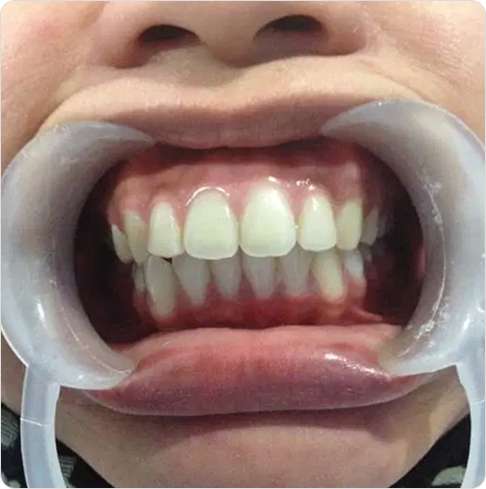
The most effective way to prevent gum recession is by maintaining consistent and proper oral hygiene habits. Brushing your teeth twice a day with a soft-bristled toothbrush and flossing at least once daily helps keep gums healthy and free from plaque buildup. Avoiding aggressive brushing or using a hard toothbrush can prevent unnecessary gum irritation.
Regular visits to your periodontist are crucial, as early detection of any signs of recession allows for prompt treatment. It’s recommended to schedule checkups every six months, or more often if you have a history of gum issues. By following a proper oral care routine and staying on top of dental appointments, you can effectively reduce the risk of gum recession and maintain long-term gum health.
The cost of treating gum recession can vary based on several factors, including the severity of your condition, the type of treatment recommended,.any additional procedures required, and your specific insurance coverage. Our team is dedicated to assisting you with completing necessary paperwork, scheduling appointments, and addressing any billing-related questions. To help streamline the process, we request that you submit your complete personal and insurance information along with your New Patient Form. This will help us expedite your treatment and billing process
To ensure we offer affordable care while maintaining the highest standards, we have the following financial policies:
Our goal is to provide you with quality care and clear, accessible payment options. If you have any questions about costs or payment plans, please don’t hesitate to reach out.
At ToothHQ Dental Specialists, diagnosing gum disease involves a thorough evaluation by our experienced periodontists, who will measure the spaces between your teeth and gums. If your gum pockets exceed the average depth of three millimeters, you may be at risk for gum disease and could require treatment. Based on the severity of your condition, our periodontists will recommend a follow-up appointment, where a variety of personalized treatment options will be discussed to restore your gum health. We are committed to providing effective, tailored solutions for patients across the DFW metroplex, ensuring optimal oral health for you and your family.
Scaling and Root Planing, often referred to as deep teeth and gum cleaning, is an effective treatment for periodontal disease. Scaling involves the removal of tartar buildup on the teeth and below the gumline, while root planing targets tartar beneath the root surface. When bacteria remain on your teeth for an extended period, it can harden into tartar, which can’t be removed by regular brushing. Unlike plaque, which can be cleared with standard brushing, tartar requires professional intervention from a periodontist.
LAPIP is an FDA-approved laser treatment for peri-implantitis, a gum infection around dental implants. It effectively removes bacteria, heals gums, and prevents further damage to implants, all with minimal discomfort and faster recovery.
Gum recession happens when the gum tissue pulls back from the teeth, exposing more of the tooth or its root. This can lead to increased sensitivity, a higher risk of cavities, and an altered smile. Causes include poor oral hygiene, aggressive brushing, genetic factors, hormonal changes, and gum disease
A gummy smile occurs when there is an uneven proportion between the visible gums and teeth. This condition can result from several factors, including bone loss, periodontal disease, or genetic tendencies. Many patients feel self-conscious about the appearance of a gummy smile and choose to address it through a gum contouring procedure, which helps create a more balanced and aesthetically pleasing smile.
If you’re experiencing gum recession, a gum graft might be a beneficial option. This common oral surgical procedure helps to thicken the existing gums and cover exposed tooth roots to prevent further recession. While gum recession can occur for various reasons, periodontal disease is one of the most common causes. A gum graft not only enhances the appearance of your smile but also lowers the risk of developing additional dental problems in the future.
Laser gum surgery is an innovative and effective treatment for gum disease that uses precise laser technology to target and eliminate harmful bacteria, all while preserving the surrounding gum tissue. Unlike traditional treatments that require cutting and suturing, laser gum surgery offers a minimally invasive approach that significantly reduces recovery time. Patients experience a faster healing process with less discomfort, making it an ideal option for those seeking a gentle yet highly effective solution to gum disease.
Laser gum therapy is generally used to treat mild to moderate gum disease, such as early-stage gingivitis or moderate periodontal disease. Unlike laser gum surgery, which is designed for advanced gum disease requiring deeper tissue removal and repair, laser gum therapy is effective for treating gum recession, removing plaque and tartar, and reducing inflammation—all without the need for incisions. This non-invasive, gentle procedure is ideal for patients seeking a quick recovery with minimal discomfort.
Advanced Laser Cleaning is typically used for moderate to severe gum disease, where a less invasive treatment is needed to remove plaque, tartar, and infected tissue from beneath the gumline. This procedure is ideal for patients looking for a gentle, effective way to treat gum infection.
Bone grafting or augmentation is often necessary for patients who have experienced significant bone loss in the jaw. This procedure involves adding bone material to the jaw to create a stronger foundation for dental implants.
At ToothHQ Dental Specialists, we prioritize your health, confidence, and smile. Regular visits to maintain your teeth and gums not only improve your oral health but also boost your overall well-being and self-esteem. We understand the value of your time, which is why we are committed to making each visit as efficient as possible.
If you’re interested in learning more about gum recession or its treatment options, book your free consultation today with ToothHQ Dental Specialists. Our friendly and knowledgeable staff is ready to assist you. Call us at 214-731-0123 to schedule your appointment. We look forward to helping you achieve a healthy, confident smile!
ToothHQ Dental Specialists
ToothHQ Dental Specialists 1500 W Hebron Pkwy Suite 108 Carrollton, Texas, 75010
ToothHQ Dental Specialists 3801 William D Tate Ave # 100 Grapevine, Texas, 76051
ToothHQ Dental Specialists 103 Belt Line Rd # H Cedar Hill, Texas, 75104
ToothHQ Dental Specialists 6333 E Mockingbird Ln # 254 Dallas, Texas, 75214
Gum recession happens when gum tissue retreats from the teeth, exposing roots. Common causes include aggressive brushing, gum disease, misaligned teeth, and tobacco use.
Early signs include increased tooth sensitivity (especially to hot or cold), visibly longer teeth, small notches near the gum line, or red/swollen gums.
No—once gums recede, they do not recgrow on their own. Treatment is needed to stop further recession and protect exposed roots.
A specialist uses a periodontal probe to measure gum‑pocket depth and checks for root exposure, bone loss, and gum tissue thickness to determine the severity of recession.
Depending on severity, treatments range from nonsurgical options like desensitizing toothpaste and deep cleaning to surgical options like gum grafts and tissue regeneration to restore gum coverage.
Gum grafting involves taking tissue (often from the palate or donor source) and placing it over exposed roots to cover them, reduce sensitivity, and improve gum support.
Early treatment reduces root sensitivity, lowers risk of cavities on roots, improves gum stability, prevents further bone loss, and enhances the appearance of your smile.
At ToothHQ, experienced periodontal specialists offer state‑of‑the‑art gum recession solutions including minimally invasive grafting and laser‑assisted treatment options.
Use a soft‑bristled toothbrush, avoid brushing too hard, floss daily, quit tobacco use, wear a nightguard if you grind your teeth, and schedule regular cleanings every six months.
Yes—DFW is served by skilled periodontists including ToothHQ who specialize in diagnosing and treating gum recession using advanced surgical and non‑surgical solutions.


