Gum recession occurs when the protective tissue around your teeth wears away, exposing the tooth roots. This can lead to dental issues and affect your smile’s appearance. Gum graft surgery, also known as soft tissue augmentation, is an effective solution to restore and strengthen thinning gums.
ToothHQ proudly offers this procedure to patients in DFW, helping prevent further gum recession and reduce tooth sensitivity.
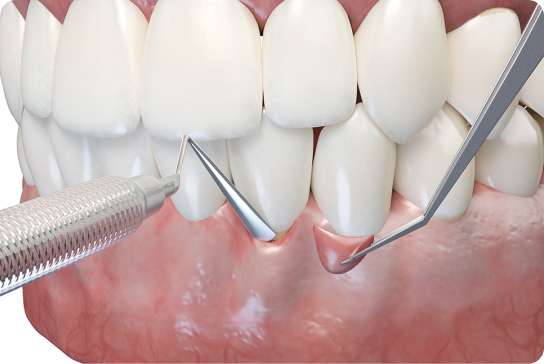
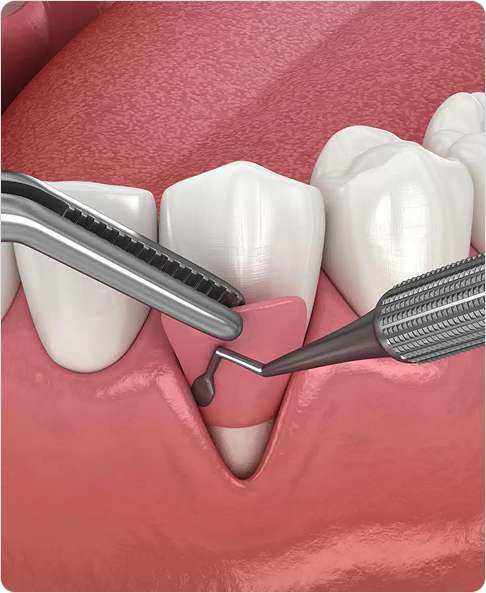
Gum recession can lead to various dental issues, often caused by periodontal disease. If your recession was caused by gum disease LANAP laser therapy will be recommended. A gum graft or a ginigival graft is a common procedure that helps thicken the gums and cover exposed tooth roots, preventing further recession. This treatment not only enhances the aesthetic appearance of your smile but also reduces the risk of future dental complications.
At ToothHQ, we use the latest dental technology to provide long-lasting results and help you maintain a bright, healthy smile.
Dr. Vadivel may recommend gum grafting to:
Our board-certified specialists are dedicated to providing exceptional dental care

Board-certified periodontist with
extensive experience in advanced dental procedures and laser treatments.

Highly skilled specialist committed to delivering personalized care and exceptional results for every patient.

Dedicated dental specialist focused on providing compassionate care and advanced treatment solutions.
At ToothHQ, we offer several types of gum grafts to restore the health and appearance of your gums. Each type of gum graft addresses different needs, ensuring the best possible treatment for your unique situation:

This procedure involves taking a small piece of tissue from the roof of the mouth and grafting it onto the affected area. It is commonly recommended for patients with thin gums who need additional tissue to strengthen the gum line.

Ideal for patients with exposed tooth roots, this technique involves removing tissue from the roof of the mouth, then stitching it to the gum tissue around the exposed root. This graft provides improved gum coverage and protection for the tooth root.

If you have a sufficient amount of gum tissue around the affected tooth, a pedicle graft may be recommended. This procedure involves cutting a flap of tissue from the adjacent gum, which is then moved over the exposed root and stitched into place, providing natural gum coverage.

An allograft uses donor tissue that has been medically processed and sterilized. This graft type is ideal for patients who prefer to avoid tissue removal from the roof of their mouth, as it offers a less invasive option with minimal discomfort.
To determine if gum grafting is right for you, the first step is to schedule a free initial consultation at ToothHQ. During this visit, our expert periodontists will assess the overall health of your teeth, review your medical history, and identify the best treatment options tailored to your unique needs.
If gum grafting is recommended, the procedure typically begins with local anesthesia to ensure your comfort. Depending on the severity of your case and sensitivity, sedation options may also be offered. In many cases, we use advanced laser technology to prepare the graft site—removing bacteria, shaping tissue, and promoting faster healing—before the tissue is harvested from your palate, an adjacent tooth, or a donor source. This tissue is then grafted onto the area of gum recession, and sutures are applied to stabilize the graft and support proper healing.
The entire procedure usually takes about 90 minutes. With follow-up care instructions, you can return to normal activities in roughly two weeks. Our team will guide you on foods and activities to avoid during recovery. Once healed, you’ll enjoy a healthier, more confident smile, with long-lasting results enhanced by the precision and benefits of laser-assisted care.
After your gum graft procedure, following your periodontist’s post-operative instructions is crucial for a successful
recovery.

Avoid consuming extremely hot or cold beverages during recovery.

Stick to a soft food diet for the first two weeks. Gradually introduce harder foods as your gums heal.

Take prescribed pain relief medication and antibiotics to minimize discomfort and prevent infection.

Brush teeth twice daily and floss at least once a day using proper techniques.

Continue with regular checkups every six months to maintain gum health.

Most patients can return to normal activities within approximately two weeks.
By adhering to these practices, you can minimize the risk of future periodontal issues and enjoy a long-lasting, healthy smile.
The cost of gum grafting surgery can vary based on several factors, including the severity of your gum recession, the extent of the procedure required, any additional treatments needed before or during the surgery, and your specific insurance coverage.
At ToothHQ, we are dedicated to assisting you throughout the billing process. Our team will help you with paperwork, scheduling appointments, and addressing any questions regarding costs. To help expedite the process, please provide your medical or dental insurance information when submitting your New Patient Paperwork if you have coverage.
To make the procedure more affordable while maintaining the highest standard of care, we offer the following financial options:
We are committed to ensuring that cost is not a barrier to receiving the quality dental care you deserve. If you have any questions about costs or payment plans, please don’t hesitate to reach out.
At ToothHQ Dental Specialists, diagnosing gum disease involves a thorough evaluation by our experienced periodontists, who will measure the spaces between your teeth and gums. If your gum pockets exceed the average depth of three millimeters, you may be at risk for gum disease and could require treatment. Based on the severity of your condition, our periodontists will recommend a follow-up appointment, where a variety of personalized treatment options will be discussed to restore your gum health. We are committed to providing effective, tailored solutions for patients across the DFW metroplex, ensuring optimal oral health for you and your family.
Scaling and Root Planing, often referred to as deep teeth and gum cleaning, is an effective treatment for periodontal disease. Scaling involves the removal of tartar buildup on the teeth and below the gumline, while root planing targets tartar beneath the root surface. When bacteria remain on your teeth for an extended period, it can harden into tartar, which can’t be removed by regular brushing. Unlike plaque, which can be cleared with standard brushing, tartar requires professional intervention from a periodontist.
LAPIP is an FDA-approved laser treatment for peri-implantitis, a gum infection around dental implants. It effectively removes bacteria, heals gums, and prevents further damage to implants, all with minimal discomfort and faster recovery.
Gum recession happens when the gum tissue pulls back from the teeth, exposing more of the tooth or its root. This can lead to increased sensitivity, a higher risk of cavities, and an altered smile. Causes include poor oral hygiene, aggressive brushing, genetic factors, hormonal changes, and gum disease
A gummy smile occurs when there is an uneven proportion between the visible gums and teeth. This condition can result from several factors, including bone loss, periodontal disease, or genetic tendencies. Many patients feel self-conscious about the appearance of a gummy smile and choose to address it through a gum contouring procedure, which helps create a more balanced and aesthetically pleasing smile.
If you’re experiencing gum recession, a gum graft might be a beneficial option. This common oral surgical procedure helps to thicken the existing gums and cover exposed tooth roots to prevent further recession. While gum recession can occur for various reasons, periodontal disease is one of the most common causes. A gum graft not only enhances the appearance of your smile but also lowers the risk of developing additional dental problems in the future.
Laser gum surgery is an innovative and effective treatment for gum disease that uses precise laser technology to target and eliminate harmful bacteria, all while preserving the surrounding gum tissue. Unlike traditional treatments that require cutting and suturing, laser gum surgery offers a minimally invasive approach that significantly reduces recovery time. Patients experience a faster healing process with less discomfort, making it an ideal option for those seeking a gentle yet highly effective solution to gum disease.
Laser gum therapy is generally used to treat mild to moderate gum disease, such as early-stage gingivitis or moderate periodontal disease. Unlike laser gum surgery, which is designed for advanced gum disease requiring deeper tissue removal and repair, laser gum therapy is effective for treating gum recession, removing plaque and tartar, and reducing inflammation—all without the need for incisions. This non-invasive, gentle procedure is ideal for patients seeking a quick recovery with minimal discomfort.
Advanced Laser Cleaning is typically used for moderate to severe gum disease, where a less invasive treatment is needed to remove plaque, tartar, and infected tissue from beneath the gumline. This procedure is ideal for patients looking for a gentle, effective way to treat gum infection.
Bone grafting or augmentation is often necessary for patients who have experienced significant bone loss in the jaw. This procedure involves adding bone material to the jaw to create a stronger foundation for dental implants.
At ToothHQ Dental Specialists, we prioritize your health, confidence, and smile. Regular visits to maintain your teeth and gums not only improve your oral health but also boost your overall well-being and self-esteem. We understand the value of your time, which is why we are committed to making each visit as efficient as possible.
If you’re interested in learning more about gum grafting procedure, book your free consultation today. Our friendly and knowledgeable staff is ready to assist you. Call us at (214) 731-0123 to schedule your appointment. We look forward to helping you achieve a healthy, confident smile!
ToothHQ Dental Specialists
ToothHQ Dental Specialists 1500 W Hebron Pkwy Suite 108 Carrollton, Texas, 75010
ToothHQ Dental Specialists 3801 William D Tate Ave # 100 Grapevine, Texas, 76051
ToothHQ Dental Specialists 103 Belt Line Rd # H Cedar Hill, Texas, 75104
ToothHQ Dental Specialists 6333 E Mockingbird Ln # 254 Dallas, Texas, 75214
Gum grafting is a surgical procedure that covers exposed tooth roots by attaching new gum tissue. It’s done to reduce sensitivity, protect roots from decay, and improve gum stability.
You may need gum grafting if you see root exposure, gum recession, increased tooth sensitivity, or if your dentist notes thinning gum tissue during a check‑up.
Common types include connective‑tissue grafts (using tissue from the palate), free gingival grafts, and donor or synthetic grafts. Your periodontist will recommend the best option based on your case.
Gum grafting is done under local anesthesia, and patients generally feel mild discomfort afterward. Pain is manageable and most resume normal eating within a few days.
Expect an initial healing phase of about 1–2 weeks, with full tissue integration over several weeks. Avoid hard foods, vigorous brushing, and follow your specialist’s post‑op instructions.
Benefits include decreased root sensitivity, improved aesthetic smile by restoring gum line, better protection of roots from decay, and enhanced gum and bone stability.
Yes—gum grafting is often combined with implant placement, laser therapy, or periodontal maintenance to address multiple issues at once and optimize outcomes.
At ToothHQ, Dallas – Fort Worth Metroplex offices, our skilled periodontists perform gum grafting using advanced techniques and modern materials, ensuring precise results and long-lasting outcomes. We specialize in both surgical and non-surgical gum recession treatments tailored to your needs.
For gum grafting, it’s best to consult a periodontist, a dental specialist trained in treating gum disease and performing advanced procedures like gum grafting. While general dentists can assess gum recession, a periodontist has the expertise and specialized training to provide the most effective treatment for gum grafting.
Many dental insurance plans cover gum grafting when it’s medically necessary—such as to prevent root decay or tooth loss. Costs vary depending on tissue type, area treated, and complexity of the procedure.


